
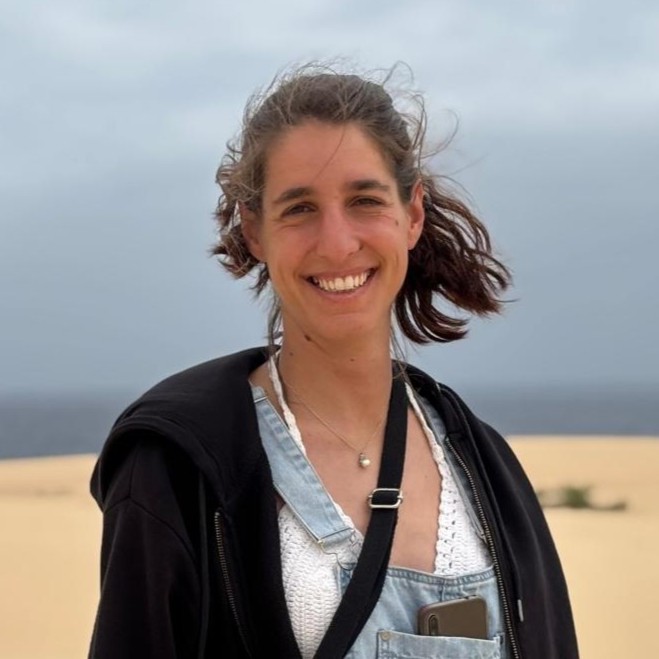
PhD student at the Albert-Ludwigs-Universität Freiburg (Germany) in collaboration with Stelvio National Park (Italy), studying the ecology of the Alpine marmot (Marmota marmota) in a fast-changing environment. I hold an MSc in Forest and Nature Conservation from Wageningen University (2022) and worked on Alpine marmot eco-ethology with the University of Siena through an 18-month scholarship (2023-2025).
[5] Zenth, F., Storch, I., Giari, C., Morocutti, E., Palme, R., Macho-Maschler, S., ... & Corlatti, L. (2026). Combined effects of fine-scale intensity and spatial extent of exposure to outdoor recreation shape wildlife responses and tolerance to human activity. Biological Conservation, 313, 111561.
[4] Corlatti, L., Zibordi, F., Rizzolli, F., Gandolfi, M., Morocutti, E., & Pedrotti, L. (2025). A double observer approach for tracking the abundance of Alpine marmot. European Journal of Wildlife Research, 71(4), 74.
[3] Zenth, F., Giari, C., Morocutti, E., Storch, I., Blumstein, D. T., Corradini, A., ... & Corlatti, L. (2025). Hunting, but not outdoor recreation, modulates behavioural tolerance to human disturbance in Alpine marmots Marmota marmota. Wildlife Biology, e01397.
[2] Zenth, F., Morocutti, E., Palme, R., Nicoloso, S., Giacomelli, S., Macho-Maschler, S., ... & Corlatti, L. (2025). Using Faecal Cortisol Metabolites to Assess Adrenocortical Activity in Wild-Living Alpine Marmot Marmota marmota: A Biological Validation Experiment. Ecology and Evolution, 15(2), e70662.
[1] Giari, C., Corlatti, L., Morocutti, E., Storch, I., & Zenth, F. (2024). Captures do not affect escape response to humans in Alpine marmot. Wildlife Biology, 2024(5), e01292.